
English
Iterators
Iterators
The foreach loop works with any object that has a GetEnumerator() method. The compiler converts the loop into calls to MoveNext() and reads of Current on the enumerator object. The easiest way to create your own sequence is an iterator: a method that returns IEnumerable<T> and uses yield return:
cs
foreach (int n in Count(2))
{
    Console.Write($"{n} ");      // [yield] 1 [yield] 2
}

static IEnumerable<int> Count(int limit)
{
    for (int i = 1; i <= limit; i++)
    {
        Console.Write("[yield] ");
        yield return i;          // return a value and pause
    }
}
An iterator runs lazily: the method body does not start when Count(2) is called, and each call to MoveNext() resumes execution until the next yield return (Fig. 13.8). The yield break statement ends the sequence.
Figure 13.8. Executing an iterator with yield return
A collection cannot be modified during iteration: after Add or Remove in the body of foreach, the next MoveNext() throws InvalidOperationException with the message “Collection was modified; enumeration operation may not execute” (Fig. 13.9). To remove elements, iterate over a copy or use a for loop from the end.
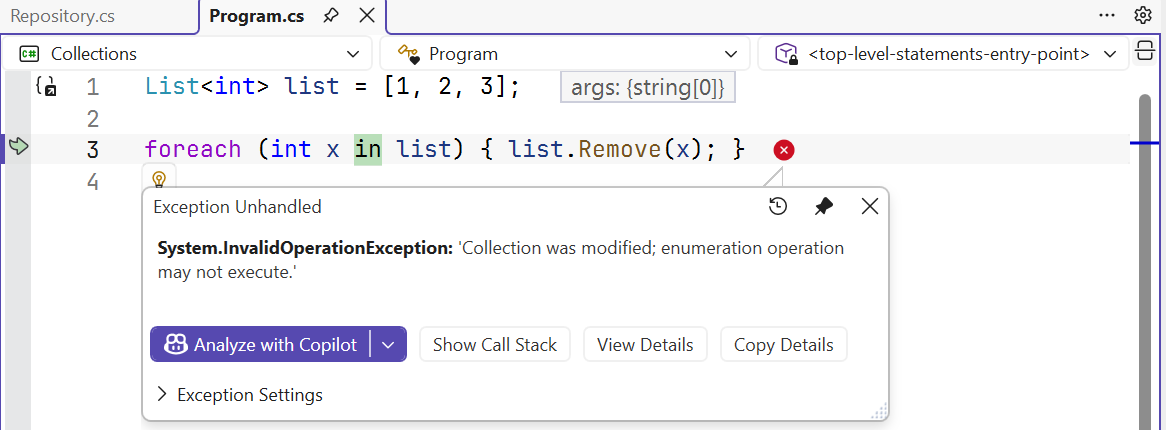
Figure 13.9. Modifying a collection during iteration